Smart Water Leak Detection System Review: Protect Your Home from Costly Water Damage
Water leaks are among the most expensive and disruptive problems homeowners face. A slow drip beneath a sink or a hidden leak behind a water heater can go unnoticed for days, leading to damaged flooring, mold growth, ruined drywall, and expensive repairs. By the time visible signs appear, the damage is often already extensive.
A smart water leak detection system provides continuous monitoring, helping homeowners identify leaks as soon as they occur. Some advanced systems go even further by automatically shutting off the water supply, reducing the amount of water that can escape while you're asleep, at work, or away on vacation.
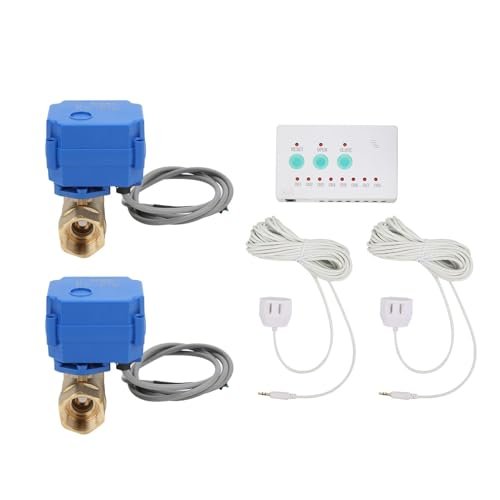
This smart leak detection system combines multiple leak sensors, automatic shut-off valves, audible alarms, and a centralized control panel to help protect residential and commercial properties from unexpected water damage.
If you're looking for a proactive way to safeguard your plumbing system, here's everything you should know before installing a smart leak detector.
Why Water Leak Detection Is Important
Many plumbing leaks begin slowly.
A small drip under a bathroom sink or a leaking water heater connection may not produce noticeable damage immediately, but continuous water exposure can eventually lead to:
- Damaged flooring
- Warped cabinets
- Mold and mildew growth
- Ceiling stains
- Structural deterioration
- Electrical hazards
- Expensive insurance claims
Early detection allows homeowners to address problems before they become major repairs.
A leak detection system works continuously, providing protection even when no one is home.
Continuous 24/7 Leak Monitoring
Unlike periodic visual inspections, an automated leak detector monitors vulnerable plumbing locations around the clock.
Leak sensors can be placed in areas where water damage commonly begins, including:
- Bathroom sinks
- Toilets
- Water heaters
- Washing machines
- Utility rooms
- Basements
- Mechanical rooms
If water reaches the sensor, the system immediately recognizes the presence of moisture and initiates its alert sequence.
Continuous monitoring is especially valuable for second homes, vacation properties, rental units, and households where plumbing leaks may otherwise remain unnoticed for extended periods.
Automatic Water Shut-Off Helps Minimize Damage
One of the most valuable features of an advanced leak detection system is automatic water shut-off.
Rather than simply sounding an alarm, the system activates motorized shut-off valves that stop water flow after a leak is detected.
By automatically closing both water supply lines, the system can significantly reduce the amount of water released into the home.
This feature may help limit damage from problems such as:
- Burst supply hoses
- Failed water heater connections
- Broken faucet supply lines
- Toilet supply leaks
- Pipe failures
- Appliance plumbing malfunctions
Although no system can prevent every plumbing emergency, quickly shutting off the water can dramatically reduce the severity of many common household leaks.
Audible and Visual Alerts Provide Immediate Notification
Even if automatic shut-off occurs, it's still important to notify occupants that attention is required.
The system includes both audible and visual warning indicators.
When a leak is detected, users receive:
- A loud 85 dB alarm
- Flashing LED indicators
- Visual valve status information
These alerts help ensure the leak is noticed quickly when occupants are present.
A loud alarm can also be valuable at night when smaller warning sounds might otherwise go unnoticed.
Centralized Control Panel Simplifies Monitoring
Rather than checking each sensor individually, the system uses a central control panel to manage multiple monitoring points.
The dashboard allows users to view:
- Active leak locations
- Sensor status
- Valve position
- System operation
Supporting multiple sensors from one interface makes it easier to monitor several areas throughout the home without requiring separate monitoring devices for each room.
Supports Multiple Leak Sensors
Water damage can originate from many different locations within a building.
The system is designed to support up to eight leak sensors, allowing homeowners to expand coverage as needed.
Common installation locations include:
- Under bathroom sinks
- Behind toilets
- Near water heaters
- Under washing machines
- Beside dishwashers
- Utility closets
- Basement plumbing equipment
- HVAC condensate drains
Adding sensors to multiple high-risk areas increases the likelihood of detecting leaks before significant damage occurs.
No Smartphone App Required
Many modern smart home devices rely entirely on smartphone applications and cloud connectivity.
This leak detection system instead uses a dedicated control panel that allows users to monitor system status directly without requiring a mobile app.
For homeowners who prefer straightforward operation, this offers several potential benefits:
- Simple installation
- Local system monitoring
- No account creation
- No ongoing subscription
- Easy access to system status
However, users specifically seeking remote smartphone notifications should verify whether optional connectivity features are available before purchasing.
Built for Challenging Environments
Leak sensors are often installed in damp areas where durability is essential.
The monitoring components are designed with an IP65-rated housing, helping protect against moisture and dust in typical installation environments.
The system is also designed to operate across a broad temperature range, making it suitable for locations such as:
- Utility rooms
- Garages
- Mechanical spaces
- Basements
- Commercial buildings
- Equipment rooms
While weather-resistant construction improves durability, indoor installation remains appropriate unless the manufacturer specifically approves outdoor use.
Important Compatibility Considerations
Like many conductivity-based leak detectors, this system works by sensing the electrical conductivity of water.
According to the manufacturer, it is not intended for detecting leaks involving highly purified water, including:
- Reverse osmosis water
- Distilled water
- Certain deionized water systems
These water sources contain significantly fewer dissolved minerals, making them less conductive and potentially more difficult for certain sensor technologies to detect.
If your home uses extensive purified water plumbing, verify compatibility before installation.
Installation Tips
Proper sensor placement is critical for effective leak detection.
For the best results:
- Position sensors at the lowest point where water would naturally collect.
- Install sensors near water supply connections.
- Keep sensors accessible for periodic inspection.
- Test the system after installation.
- Verify automatic valve operation regularly.
- Replace batteries if applicable according to the manufacturer's recommendations.
Routine testing helps ensure the system remains ready to respond during an actual plumbing emergency.
Advantages and Potential Limitations
Like any home protection system, automatic leak detection offers specific benefits along with a few considerations.
Advantages
- Continuous 24-hour leak monitoring
- Automatic water shut-off
- Supports multiple leak sensors
- Loud audible alarm
- Visual system status indicators
- Centralized monitoring panel
- Durable waterproof sensor construction
- Suitable for residential and commercial installations
Potential Limitations
- Less effective for highly purified water sources
- Remote smartphone notifications may not be available without additional features
- Proper sensor placement is essential for reliable detection
- Does not replace routine plumbing inspections
Understanding these limitations helps homeowners install the system where it can provide the greatest level of protection.
Frequently Asked Questions
What happens when a leak is detected?
The system activates its alarm, displays the affected sensor location on the control panel, and automatically closes the connected shut-off valves to help stop the flow of water.
Where should leak sensors be installed?
Sensors are commonly placed beneath sinks, near water heaters, behind toilets, under washing machines, and in any location where plumbing leaks are most likely to occur.
Does the system require a smartphone app?
No. The system is designed to provide local monitoring through its centralized control panel without requiring a mobile application.
Can it detect every type of water leak?
The system is designed to detect most standard household water leaks but may be less effective with highly purified water sources such as reverse osmosis or distilled water because of their low electrical conductivity.
Is it suitable for commercial buildings?
Yes. Multi-sensor support and automatic shut-off functionality make it suitable for many residential, commercial, hospitality, and light industrial applications.
Final Thoughts
A smart water leak detection system provides valuable protection against one of the most common and costly household emergencies. By combining continuous monitoring, multiple leak sensors, automatic shut-off valves, loud audible alarms, and a centralized control panel, it helps homeowners respond to plumbing leaks before they develop into extensive water damage.
Although it should be viewed as one part of a broader home maintenance strategy, installing an automatic leak detection system can significantly improve peace of mind, particularly in homes with aging plumbing, vacation properties, or areas prone to hidden leaks. For homeowners seeking proactive protection rather than reactive repairs, it represents a practical investment in safeguarding both property and plumbing infrastructure.