WiFi Water Leak Detection and Automatic Shutoff Kit Review: Smart Protection for Water Heaters and Plumbing
A small water leak can become a major problem if it goes unnoticed. Water heaters, supply lines, valves, and nearby plumbing components can fail suddenly, allowing water to spread across floors, walls, cabinets, and surrounding rooms before anyone realizes what has happened.
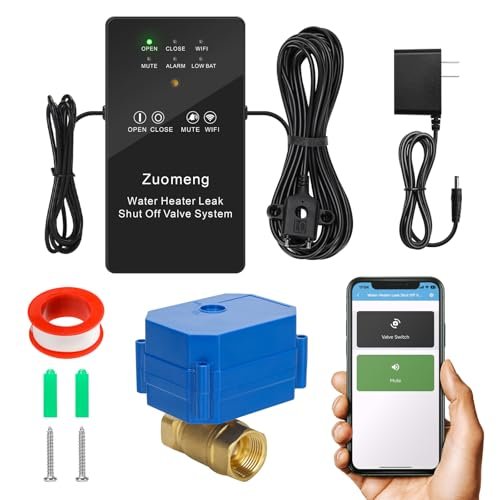
This smart WiFi water leak detection and shutoff kit is designed to reduce that risk by combining a leak sensor, audible alarm, mobile app notifications, and an automatic shutoff valve. When the sensor detects water, the system can close the connected supply valve and sound an alarm, helping limit continued water flow while alerting the homeowner.
The system is particularly relevant for water heaters, utility rooms, basements, and other areas where leaks may remain hidden for hours. With remote monitoring through the GeniLife app, a brass full-port valve, and battery backup for power outages, it is designed as a more comprehensive alternative to a basic standalone leak alarm.
What Is a Smart Water Leak Shutoff System?
A smart water leak shutoff system combines water detection with active plumbing control.
A conventional leak detector typically does one thing: it sounds an alarm when water reaches the sensor.
An automatic shutoff system goes a step further.
When a leak is detected, the system can:
- Identify water at the sensor.
- Trigger an audible warning.
- Send a notification through the connected app.
- Close the water supply valve.
- Reduce continued water flow until the problem is investigated.
This does not guarantee that all water damage will be prevented, because water already released from a failed tank or pipe can still spread. However, shutting off the incoming supply can help limit additional water entering the affected area.
Designed for Water Heater Leak Protection
Water heaters are one of the most logical places to install an automatic leak detection system.
Potential leak sources include:
- Flexible supply connections
- Shutoff valves
- Drain valves
- Temperature and pressure relief plumbing
- Tank corrosion
- Fittings
- Nearby pipes
A failed water heater can release a significant amount of water, particularly if the supply remains open.
Installing a sensor near the heater and connecting an automatic valve to the supply line can add another layer of protection.
Automatic Water Shutoff
The central feature of the system is automatic valve closure.
When the leak sensor detects water, the controller can command the valve to close.
This is valuable because a homeowner may not always be present when a leak begins.
Without automatic shutoff, a phone notification alone still requires someone to physically reach the plumbing valve.
An automatic system can respond immediately rather than waiting for human intervention.
Why Automatic Shutoff Matters
Consider a leak that begins while the homeowner is:
- At work
- Traveling
- Sleeping
- Away for the weekend
An audible alarm may not help if nobody is nearby.
A smart notification is useful, but the water may continue flowing while someone arranges access to the property.
Automatic shutoff can reduce that delay.
WiFi Connectivity and Smart Monitoring
The upgraded system uses WiFi connectivity for remote monitoring.
Through the GeniLife mobile app, users can reportedly:
- Receive leak notifications
- Check system status
- Mute alarms remotely
- Open or close the valve remotely
This allows the water heater supply to be monitored even when nobody is home.
Remote Leak Notifications
Real-time notifications are useful because they tell the homeowner that the system has detected water rather than simply relying on a local alarm.
A notification can prompt immediate action, such as:
- Checking indoor cameras
- Contacting a neighbor
- Calling a plumber
- Returning home
- Confirming that the valve has closed
Remote awareness is especially valuable for vacation homes or properties that may remain unoccupied for long periods.
Remote Valve Control
The app also allows the user to control the valve.
This may be useful when:
- Performing maintenance
- Leaving for vacation
- Investigating a suspected leak
- Shutting down the water heater supply remotely
Remote valve control can reduce the need to access the mechanical shutoff directly.
However, homeowners should still know where the physical manual shutoff valves are located.
Audible Alarm for Local Warning
In addition to app notifications, the system sounds an alarm when a leak is detected.
Local alarms remain important because WiFi or internet service may be unavailable.
An audible warning can alert:
- Home occupants
- Maintenance personnel
- Nearby family members
The combination of local and remote alerts provides more redundancy than either method alone.
3/4-Inch NPT Brass Valve
The kit uses a 3/4-inch NPT solid brass valve, according to the supplied description.
Three-quarter-inch plumbing is common on many residential water supply systems, including water heater connections.
The valve is also described as a full-bore or full-port design.
What Does Full-Bore Mean?
A full-bore ball valve has an internal opening designed to closely match the nominal pipe diameter when fully open.
This reduces flow restriction compared with valves that have smaller internal passages.
For a water heater supply line, reduced restriction can help maintain normal household flow.
150 PSI Pressure Rating
The supplied product information lists the valve at 150 PSI.
That is a pressure rating, not a recommended household operating pressure.
Residential plumbing systems often operate well below that level.
Actual suitability depends on:
- Local plumbing code
- Water pressure
- Temperature
- Pipe material
- Installation conditions
If system pressure is unusually high, a plumber should evaluate the plumbing rather than relying solely on the valve's maximum rating.
Solid Brass Construction
Brass is widely used for plumbing valves because it provides:
- Good corrosion resistance
- Mechanical strength
- Reliable threaded connections
- Long service life
A brass valve is generally preferable to lightweight plastic for permanent pressurized plumbing installations.
The product claims extremely long valve life, but such longevity will depend heavily on water quality, operating conditions, and maintenance, so it is best viewed as a manufacturer durability claim rather than a guaranteed service life.
Hot and Cold Water Compatibility
The valve is described as suitable for both hot and cold water lines.
That can provide flexibility in different plumbing applications.
For a water heater leak protection system, it will typically be installed on the incoming cold-water supply rather than the hot outlet.
Always follow the installation instructions and local plumbing requirements.
Sensor Designed to Reduce False Alarms
Leak sensors installed directly on a floor can sometimes trigger from:
- Condensation
- Minor splashes
- Cleaning water
- Damp surfaces
This system uses a raised sensor design intended to avoid reacting to extremely small amounts of moisture.
The source states that the sensor tip is positioned to detect water approximately 1 millimeter above the floor surface.
The idea is to require a small but meaningful accumulation of water before triggering the alarm.
Why Sensor Height Matters
A leak detector that is too sensitive can produce nuisance alarms.
A sensor that sits too high may react too slowly.
The raised-disc design attempts to balance these two concerns by preventing immediate contact with incidental surface moisture while still responding to accumulating water.
Actual performance will depend on:
- Floor level
- Water direction
- Sensor placement
- Surface material
Correct Sensor Placement Is Critical
A leak sensor only works when water reaches it.
For a water heater, useful locations may include:
- Inside or beside a drain pan
- Near supply connections
- Near the lowest point of the floor
- Beneath vulnerable fittings
Do not place the sensor where routine cleaning or condensation will regularly wet it unless that is intended.
Dual Power Supply
The system uses two power sources:
- AC power
- Battery backup
The backup requires four AA batteries, which are not included.
This redundancy allows the system to continue operating during some power outages, depending on battery condition and system design.
Why Battery Backup Matters
Water leaks do not only occur when electricity is available.
Power outages can coincide with:
- Storms
- Freezing weather
- Pump failures
- Plumbing emergencies
If a leak detection system depends exclusively on wall power, it may be unavailable precisely when additional protection is needed.
Battery backup adds resilience.
Battery Maintenance
Backup batteries should not be treated as install-once components.
Check them periodically and replace them before they are depleted.
Useful maintenance habits include:
- Testing the backup mode
- Replacing aging batteries
- Checking for battery corrosion
- Confirming the system remains responsive
A battery backup is only useful if the batteries are functional.
Smart Leak Detector vs. Basic Water Alarm
A basic leak alarm is inexpensive and easy to install.
Its limitation is that it only warns you.
This system adds:
- Automatic shutoff
- Remote notifications
- Remote valve control
- Battery backup
That makes it more appropriate for homeowners who want active intervention rather than notification alone.
Automatic Shutoff vs. Whole-House Shutoff
This kit appears designed primarily for a specific supply line, such as a water heater.
A whole-house shutoff system is installed on the main water line and can stop water throughout the property.
Local Water Heater Shutoff
Advantages:
- Targets one high-risk appliance
- Potentially simpler installation
- Leaves other water systems operating
Whole-House Shutoff
Advantages:
- Protects against leaks across the property
- Can stop water from many plumbing failures
The right approach depends on the home's risk profile and budget.
Installation Considerations
Because this system includes a pressurized plumbing valve, installation is more involved than placing a battery-powered sensor on the floor.
The process may require:
- Shutting off the water
- Cutting or modifying piping
- Thread sealing
- Installing the valve in the correct direction
- Leak testing
- Connecting the controller
- Pairing the WiFi system
- Testing automatic shutoff
A qualified plumber may be the safest choice for the valve installation.
Why Professional Plumbing Installation Can Make Sense
A leak prevention product should not introduce a new leak.
Improperly threaded connections can cause:
- Slow leaks
- Damaged fittings
- Cross-threading
- Excessive stress on pipes
If you are not comfortable working on pressurized plumbing, professional installation is worthwhile.
Test the System After Installation
Do not assume the system works correctly just because the app connects.
A complete test should verify:
- Sensor activation
- Audible alarm
- App notification
- Valve closure
- Remote valve operation
- Battery backup
Testing creates confidence that all parts of the system communicate correctly.
Periodic Testing Is Important
Smart safety systems should be tested periodically.
A useful routine is to simulate a leak with a controlled amount of water near the sensor and confirm that the valve responds.
Follow the manufacturer's testing instructions rather than flooding the area.
WiFi Reliability Matters
Remote features depend on a stable network connection.
If the installation location is:
- In a basement
- Behind concrete walls
- In a utility closet
- Far from the router
WiFi signal strength may be weaker.
Check connectivity during setup.
The automatic local shutoff may still function independently depending on the system design, but remote alerts require network access.
App Dependency
The GeniLife app provides remote management.
Before relying on it, confirm:
- Smartphone compatibility
- Account setup
- Notification permissions
- WiFi connection
- Firmware status
Also make sure notifications are not silenced by the phone's operating system.
Best Locations for This Type of System
A water leak shutoff kit can be particularly useful near:
- Water heaters
- Boilers
- Washing machines
- Utility sinks
- Basement plumbing
- Mechanical rooms
The specific valve size and temperature rating must match the application.
Water Heater Drain Pan Compatibility
If the water heater already sits in a drain pan, the sensor can potentially be positioned where leaking water will collect.
A drain pan and automatic shutoff system can complement each other.
The pan helps contain and direct water, while the sensor detects accumulation and triggers shutoff.
It Does Not Replace Proper Drainage
An automatic shutoff system should not be considered a substitute for:
- Proper drain pans
- Drain lines
- Correct plumbing installation
- Routine water heater inspection
It is an additional protective layer.
Common Mistakes to Avoid
Installing the Sensor Too Far Away
Water must physically reach the sensor.
Never Testing the Valve
A valve that has not operated in years may not behave as expected.
Ignoring Battery Replacement
Backup power needs maintenance.
Relying Only on App Notifications
Make sure the automatic local function works too.
Installing the Wrong Valve Size
Confirm 3/4-inch NPT compatibility with the plumbing.
Skipping Leak Testing After Installation
Every threaded plumbing connection should be checked carefully.
Maintenance Tips
Periodically inspect:
- Valve fittings
- Sensor contacts
- Power supply
- Battery condition
- App connection
Also exercise the valve periodically if recommended by the manufacturer.
Ball valves that remain in one position for extremely long periods can become more difficult to operate, especially in mineral-rich water systems.
Who Is This Leak Detection Kit Best For?
This system may be particularly useful for:
- Homes with tank-style water heaters
- Finished basements
- Upstairs water heaters
- Vacation homes
- Rental properties
- Homes where water damage would be especially costly
It may be less necessary for installations already protected by a comprehensive whole-house automatic shutoff system.
Advantages and Considerations
Advantages
- Automatic water shutoff
- WiFi remote monitoring
- Real-time leak notifications
- Remote alarm mute
- Remote valve control
- 3/4-inch NPT brass valve
- Full-bore design
- 150 PSI stated pressure rating
- Sensor design intended to reduce false alarms
- AC power with AA battery backup
Potential Considerations
Valve installation may require plumbing work.
Remote features depend on WiFi and app connectivity.
Four AA backup batteries are not included.
The system only protects the area and plumbing line it is installed to monitor.
Manufacturer longevity claims should not be treated as guaranteed service life.
Frequently Asked Questions
What happens when the sensor detects water?
The system is designed to sound an alarm and automatically close the connected water valve.
Can I receive leak alerts remotely?
Yes. The GeniLife app is designed to send leak notifications.
Can I control the valve from my phone?
Yes. Remote valve control is listed as a feature.
What size valve is included?
A 3/4-inch NPT valve.
What material is the valve made from?
The source describes it as solid brass.
What is the pressure rating?
The stated maximum rating is 150 PSI.
Does it work during a power outage?
The system includes battery backup using four AA batteries, assuming the backup batteries are installed and charged.
Are the batteries included?
No.
Does the sensor react to tiny droplets?
The raised design is intended to reduce nuisance alarms from very small amounts of surface moisture.
Is professional installation required?
Not necessarily, but installing the valve involves pressurized plumbing, so professional installation is advisable for users without plumbing experience.
Can it protect the entire house?
This appears to be intended primarily for a specific supply line, such as a water heater. A whole-house system would need to be installed on the main water line.
Final Thoughts
This WiFi water leak detection and automatic shutoff kit provides a more active approach to water damage protection than a conventional leak alarm.
Its strongest feature is the combination of detection and response. Instead of simply warning that water is present, the system can close the connected supply valve, sound an alarm, and send a remote notification through the GeniLife app.
The 3/4-inch brass full-bore valve, raised leak sensor, and dual AC/battery power design also make it well suited to water heater protection where reliability matters.
It should still be viewed as one layer in a broader water-damage prevention strategy. Proper plumbing, drain pans, routine inspections, and periodic system testing remain essential.
For homeowners looking for a smart water heater leak detector that can automatically shut off the supply and provide remote monitoring, this type of system offers a practical way to reduce the consequences of an unexpected plumbing failure.