WiFi Sprinkler Timer with Automatic Rain Shutoff: Smart Irrigation Control for Lawns and Gardens
A sprinkler timer should make outdoor watering easier, not create another chore to manage. Traditional irrigation controllers can work well once programmed, but changing schedules often means walking to the controller, navigating buttons, and manually reacting to changing weather conditions.
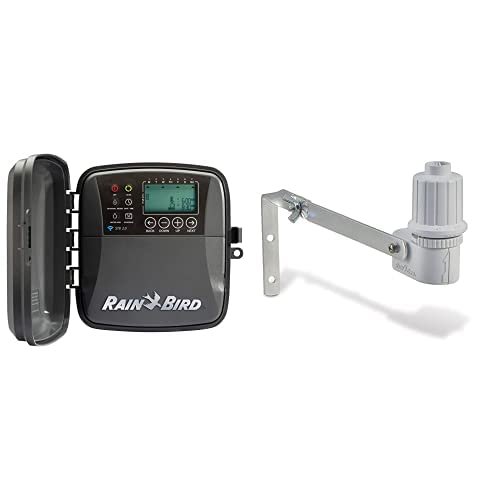
A WiFi-enabled sprinkler timer with automatic rain shutoff adds a more flexible layer of control. Instead of managing the system only from the physical timer, homeowners can access watering functions remotely and adjust schedules through a connected device. The addition of rain-responsive shutoff can also help prevent unnecessary watering when natural rainfall is already supplying moisture to the landscape.
This type of controller is particularly useful for homeowners who want a straightforward way to combine remote irrigation management with basic weather-based water conservation.
What Is a WiFi Sprinkler Timer?
A WiFi sprinkler timer is an irrigation controller that connects to a home network and allows watering schedules to be managed remotely.
Depending on the specific model and app, users may be able to:
- Start or stop watering
- Change irrigation schedules
- Adjust watering durations
- Review programmed settings
- Manage the system while away from home
The biggest advantage is convenience. Routine adjustments no longer require standing in front of the controller.
Remote Control From Anywhere
The supplied description emphasizes the ability to access timer functions remotely.
When the controller has an active network connection and the associated service is available, this can make it possible to manage irrigation even when you are away from the property.
That can be useful during:
- Vacations
- Business travel
- Seasonal schedule changes
- Unexpected weather
Instead of asking someone to visit the controller, the watering program can potentially be adjusted from a phone or other connected device.
Why Remote Irrigation Control Matters
Landscapes do not always follow a perfectly predictable schedule.
A sudden change in temperature, rainfall, or maintenance work may require a temporary adjustment.
Remote access makes those changes easier.
For example, you might pause watering after a heavy storm or temporarily increase irrigation during an unusually dry period without physically accessing the timer.
Easier Programming Than Traditional Controllers
Conventional irrigation timers often rely on small screens, multiple buttons, and nested menus.
A WiFi-connected controller can make programming more approachable by moving much of that interaction to an app or web interface.
That can simplify tasks such as:
- Changing watering days
- Adjusting start times
- Modifying durations
- Temporarily pausing irrigation
The exact interface depends on the model, so buyers should verify app compatibility and current software support.
Automatic Rain Shutoff
One of the most useful features described is automatic sprinkler shutoff when rain occurs.
Instead of continuing to water during or immediately after natural rainfall, the system can suspend irrigation.
Once conditions permit, it can restart the programmed schedule.
Why Rain Shutoff Is Important
Watering during rainfall is usually unnecessary.
It can contribute to:
- Water waste
- Saturated soil
- Runoff
- Higher utility bills
Automatic rain interruption reduces the need for homeowners to remember to manually pause the system.
Automatic Restart
The source states that the sprinkler system can restart after the rain condition passes.
This is important because a rain shutoff system should not require homeowners to rebuild or re-enable the entire watering schedule each time.
Ideally, the controller simply pauses irrigation and returns to normal operation afterward.
Rain Sensor vs. Weather Forecasting
It is important to distinguish between two types of rain-responsive irrigation.
Some systems rely on a physical rain sensor, which detects actual moisture or rainfall.
Others rely on internet weather data or forecasts.
The supplied description refers to adjustable rainfall settings, which suggests a sensor-based approach, but the exact implementation should be confirmed for the specific product.
Adjustable Rainfall Threshold
The rain setting can reportedly be adjusted from approximately 1/8 inch to 3/4 inch.
This allows the homeowner to determine how much rain should accumulate before irrigation is suspended.
That flexibility is useful because landscapes and climates vary.
Lower Rainfall Threshold
A lower threshold, such as 1/8 inch, makes the system more sensitive.
The sprinkler system may stop after relatively light rainfall.
This can make sense in areas where:
- Soil retains moisture well
- Plants have modest watering needs
- Water conservation is a high priority
Higher Rainfall Threshold
A higher threshold allows more rain to fall before irrigation is interrupted.
That may be useful for:
- Sandy soils
- Hot climates
- Landscapes with higher water demand
The correct setting depends on local conditions rather than one universal number.
Simple Dial Adjustment
The rainfall threshold is adjusted using a physical dial.
This can be convenient because the sensitivity can be changed without navigating through software menus.
A physical control also makes the rain sensor easier to understand at a glance.
Choosing the Right Rain Setting
Start with a moderate setting and observe how the landscape responds.
If the system frequently waters when the soil is already moist, consider lowering the threshold.
If irrigation is being skipped too aggressively after very light rain, a higher threshold may be more appropriate.
Soil Type Matters
Rainfall does not affect every property in the same way.
Clay Soil
Clay holds water longer and drains slowly.
A relatively low rain threshold may be sufficient.
Sandy Soil
Sandy soil drains quickly.
Plants may still require irrigation after a relatively small rainfall event.
Loam
Loam generally balances drainage and moisture retention and may work well with a moderate setting.
Plant Type Matters Too
Established shrubs, turfgrass, vegetable gardens, and newly planted landscaping can have very different irrigation requirements.
A rain shutoff setting should therefore reflect the needs of the actual landscape.
Water Conservation Benefits
The main water-saving benefit comes from avoiding unnecessary irrigation during rainy periods.
Over time, that can reduce outdoor water use without requiring the homeowner to constantly monitor the forecast.
The actual amount saved depends on:
- Local rainfall
- Irrigation frequency
- Landscape size
- Watering duration
It would not be appropriate to promise a specific savings percentage without verified data.
Potential Cost Savings
Using less irrigation water may also reduce water bills where outdoor consumption is metered.
Again, the financial benefit varies considerably by location and watering habits.
The stronger reason to use rain-responsive control is better irrigation efficiency rather than a guaranteed dollar amount.
Preventing Overwatering
Too much water can be as problematic as too little.
Overwatering may contribute to:
- Soggy soil
- Nutrient loss
- Root problems
- Runoff
A rain shutoff feature helps reduce one common cause of excessive irrigation.
Better for Lawns and Gardens
This type of controller can work well for residential irrigation systems serving:
- Lawns
- Flower beds
- Shrubs
- Mixed landscaping
The best results come from combining smart control with properly designed sprinkler zones and appropriate watering durations.
WiFi Does Not Fix Poor Irrigation Design
A smart timer can improve scheduling, but it cannot compensate for:
- Broken sprinkler heads
- Poor coverage
- Leaking valves
- Incorrect nozzle selection
The irrigation system itself still needs to be maintained.
Check Sprinkler Coverage Regularly
At least periodically, run each zone manually and inspect the system.
Look for:
- Clogged nozzles
- Misaligned heads
- Leaks
- Dry patches
Remote control is useful, but visual inspection remains important.
WiFi Reliability
Because remote functions depend on connectivity, the timer needs a stable WiFi signal.
If the controller is installed far from the router or behind thick exterior walls, the signal may be weaker.
Before final installation, confirm that the intended location has reliable network coverage.
What Happens if WiFi Goes Down?
The supplied description does not explain offline behavior.
Many irrigation controllers store schedules locally and continue running even when internet access is unavailable, but this should not be assumed.
Buyers should verify whether scheduled watering continues during:
- Internet outages
- Router failures
- Cloud-service interruptions
This is an important reliability consideration.
App and Platform Compatibility
The exact mobile app is not specified in the source.
Before purchasing, confirm compatibility with:
- iOS
- Android
- Required account setup
- Supported WiFi bands
Some smart irrigation products only support 2.4 GHz WiFi.
Installation Planning
A WiFi sprinkler timer typically replaces or integrates with an existing irrigation controller.
Before installation, verify:
- Number of zones
- Valve voltage
- Existing wiring
- Indoor or outdoor enclosure requirements
The timer must match the irrigation hardware already installed.
Rain Sensor Placement
If the automatic shutoff uses a physical rain sensor, placement matters.
The sensor should generally be exposed to natural rainfall but positioned away from:
- Sprinkler spray
- Roof runoff
- Covered areas
Otherwise, it may report conditions inaccurately.
Do Not Place the Sensor Under an Eave
A rain sensor under a roof overhang may not receive enough rainfall to trigger properly.
It needs to experience conditions similar to the landscape.
Keep It Away From Irrigation Spray
If a sprinkler head directly wets the sensor, the system may shut down even when there has been no actual rain.
Proper placement helps avoid false triggers.
WiFi Timer vs. Basic Digital Timer
A basic digital timer may be sufficient if schedules rarely change.
A WiFi controller offers more value when:
- Remote management matters
- Weather changes frequently
- You travel often
- You want easier programming
The tradeoff is greater dependence on software and connectivity.
WiFi Timer vs. Fully Smart Weather Controller
Some advanced irrigation controllers automatically adjust watering based on:
- Temperature
- Evapotranspiration
- Forecasts
- Seasonal conditions
The product described here appears more focused on remote access and rain shutoff.
That can actually be an advantage for users who want simpler automation without complex weather modeling.
Who Is This Timer Best For?
This type of sprinkler timer is a strong fit for homeowners who want:
- Remote irrigation access
- Simpler programming
- Automatic rain shutoff
- Adjustable rain sensitivity
- Basic water-conservation features
It is especially useful for properties where watering schedules need occasional remote adjustments.
Who Might Need a More Advanced System?
A more sophisticated controller may be better for:
- Large multi-zone properties
- Commercial landscaping
- Soil-moisture integration
- Detailed water-use analytics
- Automatic seasonal adjustment
This timer is better suited to straightforward residential irrigation control.
Common Mistakes
Setting the Rain Threshold Too High
The system may continue watering after meaningful rainfall.
Setting It Too Low
Minor showers may suspend irrigation unnecessarily.
Poor Sensor Placement
Covered or sprinkler-exposed locations can reduce accuracy.
Ignoring WiFi Coverage
Remote control depends on reliable connectivity.
Assuming Smart Control Eliminates Maintenance
Sprinkler hardware still needs regular inspection.
Advantages and Considerations
Advantages
- WiFi-enabled remote irrigation control
- Access to timer functions while away
- Easier schedule adjustments
- Automatic shutoff during rain
- Automatic restart afterward
- Adjustable rainfall threshold from 1/8" to 3/4"
- Physical dial for rain sensitivity
- Can help reduce unnecessary watering
Potential Considerations
- Exact app is not specified
- Offline behavior should be confirmed
- Sensor placement affects performance
- WiFi range matters
- Advanced weather intelligence is not described
- Actual water savings vary by property
Frequently Asked Questions
Can the sprinkler timer be controlled remotely?
Yes. The supplied description states that WiFi connectivity allows access to timer functions from remote locations.
Does it automatically stop watering when it rains?
Yes, according to the source.
Does watering restart automatically?
Yes. The system is described as restarting after the rain condition clears.
Can the rain sensitivity be adjusted?
Yes.
What rainfall settings are available?
Approximately 1/8 inch to 3/4 inch.
How is the rain threshold adjusted?
With a physical dial.
Does it use a rain sensor?
The adjustable rainfall threshold suggests a sensor-based system, but the exact hardware should be confirmed for the current model.
Will it save water?
It can reduce unnecessary irrigation during rainfall, though actual savings depend on local conditions and watering habits.
Will it continue watering if WiFi fails?
The source does not specify. Confirm whether schedules are stored locally.
Does it work with both iPhone and Android?
The source does not specify app compatibility. Verify before purchase.
Can it replace any irrigation controller?
Not necessarily. Check zone count, wiring, voltage, and installation requirements.
Is it suitable for gardens as well as lawns?
Yes, provided the irrigation zones and schedules are configured appropriately.
Final Thoughts
A WiFi sprinkler timer with automatic rain shutoff can make residential irrigation significantly easier to manage by combining remote access with simple weather-responsive control.
Its strongest features are the ability to adjust timer functions remotely, automatically suspend watering during rainfall, restart irrigation afterward, and fine-tune the rain threshold from approximately 1/8 inch to 3/4 inch.
The system is most effective when it is installed correctly, the rain sensor is positioned properly, and watering schedules are matched to the landscape rather than simply left at default settings.
For homeowners who want a practical middle ground between a traditional sprinkler timer and a highly automated weather-based irrigation controller, this type of system offers a useful combination of remote WiFi control, automatic rain interruption, adjustable sensitivity, and straightforward water conservation.