iSpring Whole House Water Leak Detection System Review: Automatic Shutoff with Multi-Sensor Protection
A hidden plumbing leak can cause serious damage long before it becomes obvious. A failed appliance hose, water heater connection, toilet supply line, or under-sink fitting can continue releasing water for hours if no one is home to notice it. For homeowners who want a more active form of protection than a simple alarm, an automatic leak detection system can add an important layer of defense.
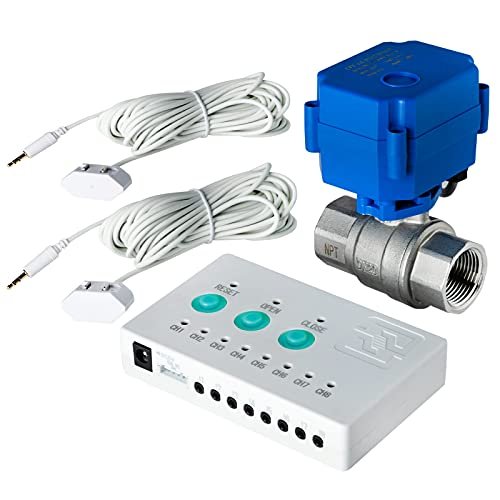
The iSpring whole house water leak detection system is designed to monitor vulnerable areas and automatically shut off the water supply when a leak is detected. The kit includes a controller, a 3/4-inch NPT motorized ball valve, and two water sensors, while the controller can support up to eight sensors in total.
That combination makes the system suitable for homes where multiple leak-prone locations need to be monitored at once. Instead of relying on a single detector near one appliance, homeowners can expand coverage across kitchens, bathrooms, laundry rooms, utility spaces, and water-heater areas.
What Is the iSpring Water Leak Detection System?
The iSpring system is a whole-house leak detection and automatic shutoff solution.
Its purpose is straightforward: detect unwanted water and stop the incoming supply before a leak has more time to spread.
The system includes:
- A central controller
- A 3/4-inch NPT automatic shutoff ball valve
- Two water leak sensors
- Support for up to eight sensors
- Alarm functionality
- Automatic valve control
The valve is installed in the household water supply line, while individual sensors are placed around likely leak sources.
How the Automatic Shutoff Works
The most important feature is automatic water shutoff.
When one of the connected sensors detects water, the controller is designed to activate the motorized valve and close the supply line.
The sequence is essentially:
- Water reaches a leak sensor.
- The sensor sends a signal to the controller.
- The system triggers an alarm.
- The automatic valve closes.
- Continued water flow through the protected supply line is reduced or stopped.
This can be far more useful than a basic leak alarm when nobody is available to respond immediately.
Why Automatic Shutoff Matters
A conventional water alarm tells you something is wrong.
An automatic shutoff system can also take action.
Consider a washing-machine hose that fails while the house is empty. A standalone alarm may sound for hours while water continues to flow.
An automatic shutoff valve can respond without waiting for someone to hear the alarm.
That can be particularly valuable when leaks occur:
- Overnight
- During work hours
- While traveling
- In a vacation home
- In an unoccupied basement
It cannot eliminate all possible water damage, but stopping the incoming supply can limit how much additional water enters the area.
Designed for Whole-House Water Protection
The system is intended for installation on the home's water line rather than on a single faucet or appliance.
That means one valve can potentially protect many downstream plumbing fixtures.
Depending on where it is installed, the system can respond to leaks near:
- Water heaters
- Washing machines
- Dishwashers
- Toilets
- Sinks
- Refrigerators with water lines
- Basement plumbing
- Utility rooms
This broad coverage is one of the main advantages of a whole-house shutoff system.
3/4-Inch NPT Automatic Ball Valve
The included shutoff valve uses a 3/4-inch NPT connection.
Three-quarter-inch piping is common in residential plumbing, but it is not universal.
Before purchasing, verify:
- Main-line pipe size
- Thread type
- Existing valve configuration
- Required adapters
- Available installation space
If the home uses 1-inch or another pipe size, additional fittings or a different valve may be required.
Why a Ball Valve Is Well Suited to Shutoff Systems
Ball valves are widely used because they can provide a relatively unrestricted flow path when fully open and a firm shutoff when closed.
They are commonly chosen for motorized systems because the valve only needs a quarter-turn between open and closed positions.
That makes them well suited to automated control.
Up to Eight Water Sensors
The controller can connect to as many as eight leak detection sensors.
Two sensors are included with the kit.
Additional sensors can expand the system to cover more areas of the home.
For example, a homeowner might use sensors at:
- Water heater
- Washing machine
- Dishwasher
- Kitchen sink
- Primary bathroom vanity
- Secondary bathroom
- Basement utility area
- Refrigerator water line
This gives significantly broader protection than relying on only one or two detectors.
Why Multiple Sensors Are Important
Water leaks do not occur in only one place.
A whole-house valve may protect the entire supply line, but the system still needs sensors where water is likely to appear.
A sensor near the water heater cannot detect a leak under the kitchen sink on the other side of the house.
Multiple detectors make the shutoff system much more useful.
Two Sensors Included
The standard kit includes two leak sensors.
For a basic installation, these might be placed near the two highest-risk areas, such as:
- Water heater
- Washing machine
Additional sensors can then be added as needed.
The best locations depend on the home's plumbing layout and the potential consequences of a leak.
Water Heater Protection
Water heaters are one of the most important places to monitor.
Leaks may develop from:
- Tank corrosion
- Drain valve
- Supply connections
- Temperature and pressure relief plumbing
- Nearby fittings
If a water heater is located on an upper floor or in a finished space, even a relatively small leak can damage ceilings, flooring, or walls below.
A sensor near the water heater can help trigger shutoff before the incoming supply continues feeding the problem.
Washing Machine Protection
Washing-machine plumbing is another high-risk area.
Potential failures include:
- Hot-water hose
- Cold-water hose
- Drain hose
- Internal pump
- Appliance seals
A sensor placed behind or beside the washing machine can detect water that reaches the floor.
This is especially useful for second-floor laundry rooms.
Dishwasher Leak Detection
Dishwashers can leak from:
- Supply lines
- Drain connections
- Door seals
- Internal pumps
Because much of the plumbing is hidden behind cabinetry, leaks may not be immediately obvious.
A strategically placed sensor can provide earlier warning.
Under-Sink Protection
Kitchen and bathroom sink cabinets often hide small plumbing leaks.
Common sources include:
- Shutoff valves
- Supply hoses
- P-traps
- Faucet connections
- Garbage disposals
A leak detector on the cabinet floor can identify water before it spreads beyond the vanity or kitchen cabinet.
Toilet Leak Monitoring
Toilets can leak from:
- Supply line
- Shutoff valve
- Tank bolts
- Fill-valve connection
- Base seal
A sensor placed near the supply connection or behind the toilet can add protection without being visually intrusive.
Avoid positioning it where ordinary mopping or cleaning water will regularly trigger it.
Sensor Placement Is Critical
The effectiveness of the system depends heavily on where the sensors are installed.
Water follows gravity, so the best position is usually:
- At a low point
- Near likely leak sources
- Where water is expected to collect first
Do not simply place a sensor somewhere nearby because it is convenient.
A detector only works when the leaking water physically reaches it.
Leak Alarm Provides Local Warning
The system is designed to sound an alarm when water is detected.
That gives occupants an immediate warning even before they notice visible flooding.
A local alarm can help prompt someone to:
- Investigate the source
- Turn off affected appliances
- Contact a plumber
- Begin cleanup
The automatic valve adds an additional response layer.
Whole-House Shutoff vs. Appliance-Specific Shutoff
There are two common approaches to water protection.
Whole-House Shutoff
A valve installed on the main supply can stop water to most of the property.
Advantages include:
- Broad coverage
- One central valve
- Protection from many downstream failures
The main drawback is that an alarm can temporarily interrupt water everywhere.
Appliance-Specific Shutoff
A valve can instead be installed only on a high-risk appliance line.
This limits disruption but provides less overall protection.
The iSpring system is positioned primarily as a whole-house solution.
Installation Considerations
Installing a leak sensor is simple.
Installing an automatic valve into the household water supply is more involved.
The process may require:
- Turning off the main water
- Cutting or modifying pipe
- Adding threaded adapters
- Applying thread sealant
- Mounting the valve
- Testing for leaks
- Connecting the controller
For many homeowners, professional plumbing installation is the safer option.
Why Professional Installation May Be Worth It
A leak protection system should not create a new leak.
Poor valve installation can cause:
- Cross-threaded connections
- Slow seepage
- Pipe stress
- Damaged fittings
A plumber can also confirm that the 3/4-inch valve is appropriate for the home's supply configuration.
Test the System After Installation
Never assume the system is ready simply because the valve opens and closes manually.
A full test should confirm:
- Sensor activation
- Audible alarm
- Controller response
- Automatic valve closure
- Proper reopening
- No plumbing leaks
Follow the manufacturer's testing procedure rather than creating a large uncontrolled spill.
Periodic Testing Is Good Practice
Automatic valves and sensors should be tested periodically.
A routine test can identify:
- Failed sensors
- Loose connections
- Valve problems
- Controller issues
It also ensures that the motorized ball valve does not remain completely unused for years.
Water Pressure and Flow Considerations
Any valve installed on a main supply line can potentially affect flow if it is undersized or restrictive.
Before installation, confirm that the valve specification matches the home's plumbing requirements.
If the house already experiences weak pressure, discuss the installation with a plumber.
It Does Not Replace Plumbing Maintenance
An automatic shutoff system is an additional safety layer, not a substitute for routine maintenance.
Homeowners should still inspect:
- Washing-machine hoses
- Water heater condition
- Supply lines
- Shutoff valves
- Under-sink connections
- Toilet fittings
Replacing aging components before they fail is still one of the best ways to reduce leak risk.
It Does Not Remove Water Already Released
Automatic shutoff stops or limits incoming water.
It cannot remove water already on the floor.
A water heater tank, for example, may still contain many gallons even after the incoming line closes.
Drain pans, floor drains, and appropriate waterproofing remain important.
Drain Pans Complement Leak Detection
A drain pan beneath a water heater or washing machine can help contain small leaks and direct water toward a drain.
Pairing a drain pan with a sensor and shutoff valve creates multiple layers of protection:
- Pan contains water
- Sensor detects it
- Controller triggers alarm
- Valve shuts off supply
This is stronger than relying on any one measure alone.
Common Installation Mistakes
Installing the Valve Without Checking Pipe Size
Confirm 3/4-inch NPT compatibility first.
Using Too Few Sensors
A whole-house valve is only as useful as the areas being monitored.
Poor Sensor Placement
Put sensors where water will actually collect.
Never Testing the System
Periodic functional tests are essential.
Ignoring Existing Plumbing Problems
Repair questionable connections before installing the system.
Assuming Automatic Shutoff Prevents Every Type of Water Damage
Stored water and non-plumbing sources can still cause damage.
Who Is This System Best For?
The iSpring leak detection system may be especially useful for:
- Homeowners
- Finished basements
- Second-floor laundry rooms
- Homes with tank water heaters
- Vacation properties
- Rental homes
- Properties with expensive flooring
It is best suited to users who want automatic physical shutoff rather than remote alerts alone.
Advantages and Considerations
Advantages
- Automatic whole-house water shutoff
- Leak alarm
- 3/4-inch NPT motorized ball valve included
- Supports up to eight sensors
- Two water sensors included
- Expandable protection
- Suitable for multiple high-risk plumbing areas
- One-year warranty
- Lifetime support stated by iSpring
Potential Considerations
Only two sensors are included initially.
Installing the valve may require plumbing work.
The 3/4-inch connection must match or be adapted to the home's plumbing.
The system cannot remove water already released.
Proper sensor placement is essential.
Warranty and Support
The product is described as including a one-year warranty with lifetime support from iSpring.
Warranty terms can vary over time and by seller, so buyers should verify current coverage at the time of purchase.
Long-term technical support can be useful for a device that combines plumbing, electronics, and multiple sensors.
Frequently Asked Questions
What does the system do when it detects a leak?
It is designed to trigger an alarm and automatically close the water supply valve.
What size valve is included?
A 3/4-inch NPT automatic ball valve.
How many leak sensors can the controller support?
Up to eight sensors.
How many sensors come with the kit?
Two.
Can I add more sensors later?
Yes, the controller is designed to support additional compatible sensors up to the stated maximum.
Is this a whole-house system?
Yes. It is intended for installation on a household water line.
Where should the sensors be placed?
Near high-risk areas such as water heaters, washing machines, dishwashers, toilets, and under sinks.
Does it require professional installation?
The sensors are simple to place, but installing the shutoff valve into a pressurized water line may justify professional plumbing help.
Does it prevent all water damage?
No. It can help reduce continued water flow after detection, but water already released may still cause damage.
Is there a warranty?
The source lists a one-year warranty.
Does iSpring provide support?
Lifetime support is stated in the supplied product description.
Final Thoughts
The iSpring whole house water leak detection and automatic shutoff system offers a more proactive approach to plumbing protection than a simple audible water alarm.
Its strongest feature is the ability to combine multiple sensors with a central motorized valve. When water is detected, the system can sound an alarm and shut off the household supply without waiting for someone to intervene manually.
Support for up to eight leak sensors also makes the system flexible enough to monitor several high-risk areas across a home. The included two sensors are a reasonable starting point, but many homeowners will benefit from adding more to cover the water heater, washing machine, sinks, toilets, dishwasher, and other vulnerable locations.
The main consideration is installation. The 3/4-inch NPT valve must be compatible with the plumbing and installed correctly, so professional help may be worthwhile.
For homeowners looking for a whole-house water leak detector that can automatically shut off the supply when a leak is detected, the iSpring system provides a practical combination of detection, alarm capability, and active water control.